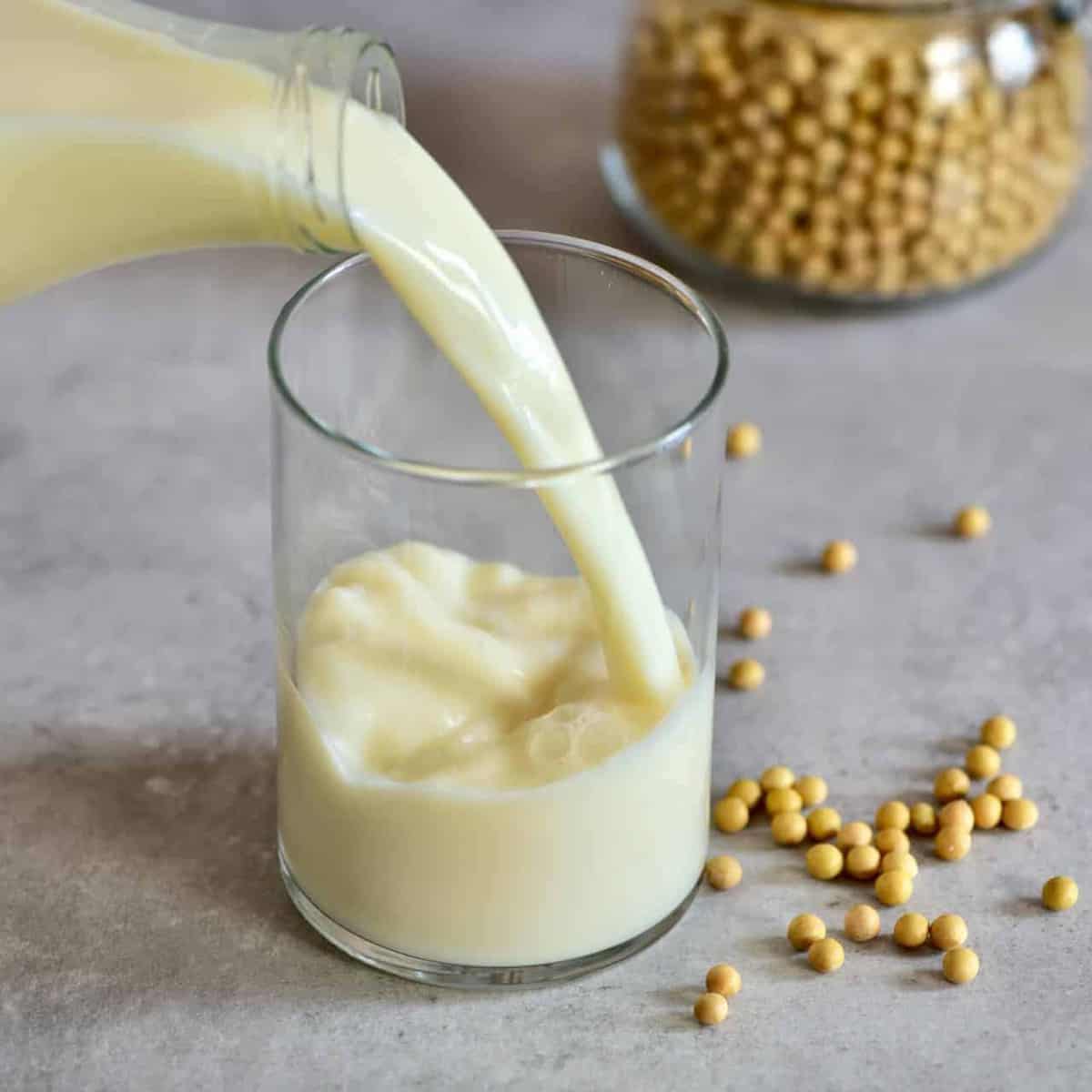
Why Make Soy Milk at Home? The Cheaper, Tastier, and Healthier Choice
Are you tired of expensive cartons of soy milk laden with added sugars, stabilizers, and flavors you didn't ask for? Imagine a creamy, fresh, and utterly delicious glass of soy milk, made right in your own kitchen, at a fraction of the cost, and with ingredients you can pronounce. This isn't a pipe dream; it's the reality of a simple homemade soy milk recipe. While it might require a little "elbow grease," as some seasoned chefs put it, the rewards in taste, health, and your wallet are undeniably worth the effort.
Diving into the world of homemade soy milk offers a direct path to superior flavor, complete control over your ingredients, and significant savings. It’s a foundational skill for any vegan kitchen, opening doors not only to fresh milk but also to homemade tofu and even ingenious zero-waste recipes using the leftover soy pulp.
The Unbeatable Benefits of Crafting Your Own Soy Milk
The decision to make soy milk at home goes beyond a simple culinary curiosity; it's a choice that impacts your health, your finances, and even your creativity in the kitchen.
Significantly Cheaper in the Long Run
One of the most compelling reasons to embrace a simple homemade soy milk recipe is the cost saving. While a carton of store-bought soy milk can range from $3-$5 or more, a pound of dried soybeans (which yields a substantial quantity of milk) often costs less than that. When you consider the volume of milk you can produce from that single pound, the economic benefits become clear. You're essentially paying for raw ingredients rather than processing, packaging, and marketing overheads. Buying soybeans in bulk further amplifies these savings, making it an incredibly budget-friendly option for daily consumption, baking, or cooking.
Unrivaled Freshness and Customizable Flavor
There’s simply no comparison to the taste of freshly made soy milk. Store-bought varieties, even unsweetened ones, can often have a distinct processed flavor or a slightly stale undertone. Homemade soy milk, on the other hand, boasts a clean, pure taste that's incredibly satisfying on its own. But the real magic lies in customization. You are the master of your brew!
- Sweetness Control: Add a touch of honey, maple syrup, agave, or sugar – or none at all. You dictate the sweetness level, perfect for specific recipes or dietary needs.
- Flavor Infusion: Elevate your soy milk with vanilla extract, almond extract, a pinch of cinnamon, or even a hint of cocoa powder. These additions transform it into a gourmet beverage, far superior to anything you’d find pre-made.
- Pure Ingredients: Say goodbye to emulsifiers, thickeners, and preservatives. Your homemade version will contain just soybeans and water, unless you choose to add other natural flavorings. This transparency is a huge draw for health-conscious individuals.
Healthier and More Nutritious
When you make soy milk yourself, you control every single ingredient. This means no hidden sugars, no artificial flavors, and no unwanted additives that are often present in commercial products. You get a pure, wholesome beverage packed with plant-based protein, essential amino acids, and beneficial nutrients directly from the soybean. For those managing allergies or specific dietary requirements, homemade soy milk offers peace of mind, ensuring what you consume aligns perfectly with your health goals.
Beyond Milk: Zero Waste and Culinary Versatility
The benefits don't stop at just delicious milk. Making soy milk at home opens up a world of culinary possibilities, particularly with the byproduct known as okara (soy pulp). This fibrous leftover is incredibly versatile and nutritious, preventing food waste and adding another layer of value to your efforts. From your fresh homemade soy milk, you can also effortlessly make fresh, delicious tofu, which tastes far better than most store-bought blocks and contains no weird, unrecognizable ingredients. For a deeper dive into making both milk and tofu, and ideas for the leftover pulp, check out our comprehensive Homemade Soy Milk Guide: Make Milk, Tofu, and Zero-Waste Pulp Recipes.
Debunking the Difficulty: Is Making Soy Milk Really "Simple"?
Some might hear "homemade" and immediately think "difficult" or "time-consuming." While it's true that making soy milk requires more than simply opening a carton, labeling it as overly difficult would be a disservice. It's more accurate to describe it as a process that demands a moderate amount of effort and time, but one that is incredibly straightforward and deeply rewarding.
The "elbow grease" often referred to primarily comes from the straining process – squeezing every last drop of creamy liquid from the soy pulp. This isn't a technically complex step, but it does require some manual effort. Beyond that, the steps are sequential and easy to follow: soak, blend, strain, cook. Each stage builds on the last, and with a little practice, the process becomes second nature. Think of it less as a strenuous chore and more as a mindful, hands-on culinary adventure that yields superior results compared to mass-produced alternatives.
The initial investment of time pays dividends in the form of multiple batches of fresh soy milk, the option to make homemade tofu, and even delicious, nutritious okara-based meals. The learning curve is gentle, and the satisfaction of creating such a fundamental ingredient from scratch is immense. So, don't let the thought of effort deter you; embrace the process, and you'll discover a truly Easy Homemade Soy Milk: Fresh, Creamy, and Cost-Effective that far surpasses store-bought versions.
Your Step-by-Step Guide to a Simple Homemade Soy Milk Recipe
Ready to embark on your homemade soy milk journey? This detailed guide will walk you through each step, ensuring a successful and delicious outcome. This simple homemade soy milk recipe will become a staple in your kitchen!
Step 1: Soaking Your Soybeans
The foundation of great soy milk begins with proper soaking. This crucial step softens the beans, making them easier to blend, and also helps improve digestibility. It's also believed to reduce some of the "beany" flavor often associated with soy.
- Quantity: For a generous batch that could yield both milk and tofu, start with about 1 pound (500 grams) of dried soybeans. If you're only looking for milk for personal consumption, you can easily halve or quarter this amount. Adjust according to your needs!
- Process: Place the soybeans in a large bowl and cover them with plenty of water – at least three times their volume, as they will expand significantly. Let them soak overnight, or for at least 8-12 hours. You'll notice they plump up considerably.
- Preparation: The next morning, drain the soaked soybeans and rinse them thoroughly under cold water. Some prefer to remove the skins at this stage for an even smoother milk, though this is optional and very time-consuming.
Step 2: Blending for Creaminess
This is where the magic really starts to happen, transforming hard beans into a milky liquid.
- Batch Blending: To avoid overloading your blender and to achieve the smoothest consistency, work in small batches. For a pound of soybeans, you'll likely do 3-4 batches.
- Water Ratio: For each batch, add about 1 part soaked soybeans to 2-3 parts fresh water. For example, if you add 1 cup of soaked soybeans, add 2-3 cups of water. The goal is to have enough water to cover and allow the blades to move freely.
- Blend Thoroughly: Blend each batch on high for about 2-3 minutes, until the mixture is very smooth and creamy, resembling a thick batter or thin smoothie. There should be no large chunks of soybean remaining.
Step 3: Straining for Smoothness (The "Elbow Grease" Part)
This is the most hands-on part, separating the liquid gold from the fibrous pulp (okara).
- Tools: You'll need a large bowl and a fine-mesh strainer lined with a nut milk bag or several layers of cheesecloth. A nut milk bag is highly recommended for its durability and efficiency.
- Straining Process: Pour the blended soybean batter into the lined strainer. Gather the edges of the nut milk bag or cheesecloth and begin to gently squeeze the liquid out into the bowl below. Work slowly and steadily, applying pressure to extract as much milk as possible. This is where the "elbow grease" comes in!
- Collect Okara: The solid residue left inside the bag is the okara. Transfer it to a separate bowl. Do not discard it! It's excellent for making patties, adding to baked goods, or even enriching soups. For more tips on utilizing okara, refer to our guide on Homemade Soy Milk Guide: Make Milk, Tofu, and Zero-Waste Pulp Recipes.
- Repeat: Continue this blending and straining process with the remaining soaked soybeans until all batches are complete.
Step 4: Cooking for Safety and Flavor
Cooking your freshly strained soy milk is essential for safety, to improve digestibility, and to remove any remaining "beany" flavor.
- Transfer: Pour the strained soy milk into a large, heavy-bottomed pot.
- Remove Foam: You might notice a layer of foam on top. Skim this off with a large spoon. More foam will form during cooking.
- Simmer, Don't Boil: Bring the milk to a gentle simmer over medium heat. It's crucial to watch it carefully, as soy milk can boil over very quickly and violently, creating a huge mess! Stir frequently to prevent scorching on the bottom.
- Cook Time: Once simmering, reduce the heat to low and continue to cook for at least 15-20 minutes. Keep an eye on it and stir occasionally. Continue to skim off any foam that rises to the surface.
Step 5: Cooling, Storing, and Enjoying
Once cooked, your fresh soy milk is almost ready to enjoy!
- Cool Down: Remove the pot from the heat and allow the soy milk to cool completely within the covered pot. This allows residual heat to finish any cooking processes and for flavors to meld.
- Storage: Once cooled, transfer the homemade soy milk to clean, airtight glass bottles or containers.
- Refrigerate: Store your fresh soy milk in the refrigerator. It will keep well for up to 5-7 days.
- Enjoy: Serve plain, chilled, or warm. Add your preferred sweeteners or flavorings like vanilla extract, honey, or maple syrup. It's perfect for your morning coffee, smoothies, cereal, or in any recipe calling for soy milk.
Beyond the Basic Milk: What Else Can You Make?
The beauty of making your own soy milk extends far beyond just the beverage itself. It's a gateway to creating other incredible homemade products and minimizing waste.
- Homemade Tofu: Your freshly made, warm soy milk is the perfect base for making homemade tofu. With a simple coagulant like nigari or Epsom salts, you can transform your milk into firm or silken tofu that’s unparalleled in freshness and taste compared to store-bought varieties.
- Delicious Okara Recipes: Don't throw away that soy pulp (okara)! It's packed with fiber and protein and can be incorporated into a variety of dishes. Think savory vegan soybean patties (which are surprisingly delicious!), adding it to baked goods like muffins or bread for extra texture and nutrition, or even mixing it into stews and soups to thicken them and boost their nutritional profile.
Conclusion
Embracing a simple homemade soy milk recipe is more than just a cooking project; it's a step towards greater culinary independence, healthier eating, and significant cost savings. While it does ask for a little time and effort, the superior taste, customizable ingredients, and the versatility it brings to your kitchen truly make it an endeavor worth pursuing. From a creamy base for your morning coffee to the foundation of your own fresh tofu and zero-waste okara delights, homemade soy milk offers an unbeatable combination of benefits. So, gather your soybeans, fire up your blender, and take control of what goes into your glass and your body. You'll be delighted by the fresh, pure flavor and the satisfaction of having crafted something truly wonderful from scratch.
